

Gambling
Crush the odds: Proven psychology for Biggerz Casino success
Understanding the Psychology of Gambling Decisions
Gambling, at its core, is a complex interplay of human psychology, risk assessment, and the pursuit of reward. Understanding the underlying psychological drivers is crucial for anyone looking to navigate the world of casinos, whether for entertainment or with a strategic mindset. Factors like cognitive biases, emotional regulation, and the perception of control significantly influence decision-making at the gaming table, and for those interested in exploring these dynamics further, the website biggerz-ca.com offers a starting point.
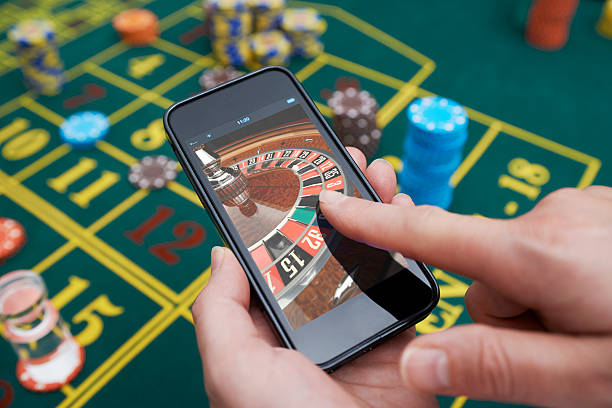
One of the most prevalent psychological phenomena in gambling is the “illusion of control,” where players believe they can influence random outcomes through their actions, such as the way they roll dice or spin a roulette wheel. This perception, while often unfounded, can lead to increased engagement and a willingness to take on more risk. Similarly, the “availability heuristic” can play a role, where players overestimate the likelihood of winning based on vivid memories of big wins, whether their own or those of others.
The Role of Expectation and Reward in Gambling Behavior
The anticipation of a win is a powerful motivator in gambling. Neurochemically, the brain releases dopamine, a neurotransmitter associated with pleasure and reward, not just when a win occurs, but also during the anticipation of a potential win. This creates a strong reinforcement loop, encouraging continued play. The variable ratio reinforcement schedule, common in casino games, where rewards are unpredictable, is particularly effective at maintaining behavior, as seen in slot machines.
This psychological dynamic explains why players might continue to chase losses. The expectation of recouping what has been lost, coupled with the thrill of a potential win, can override rational decision-making. The perceived proximity to a win, even if statistically improbable, can be a strong psychological pull, leading to prolonged sessions and increased stakes. This is a key area where understanding psychological triggers can help players maintain control.
Managing Emotional Responses and Cognitive Biases
Emotional states profoundly impact gambling behavior. Excitement, frustration, or even boredom can lead to impulsive decisions. Learning to recognize and manage these emotions is paramount for responsible gambling. For instance, recognizing the feeling of frustration after a loss and taking a break, rather than chasing, is a critical self-regulation skill. Conversely, overconfidence after a win can also lead to taking unnecessary risks.
Cognitive biases, such as confirmation bias (seeking out information that confirms existing beliefs about luck or strategy) and the gambler’s fallacy (believing that past independent events influence future ones, e.g., a string of red in roulette means black is “due”), can cloud judgment. Acknowledging these biases and actively working to counteract them with logical reasoning and a sound understanding of probability is a vital step towards a more controlled gambling experience.
Developing a Strategic Mindset for Casino Play
While luck is undeniably a factor in casino games, adopting a strategic mindset can enhance the overall experience and potentially improve outcomes. This involves setting clear limits, both in terms of time and money, and sticking to them rigidly. Developing a pre-game plan that includes win goals and loss limits helps to anchor decisions in logic rather than emotion. Understanding the house edge in different games is also a fundamental aspect of strategic play.
A strategic approach also involves choosing games that align with personal preferences and risk tolerance. Some games offer better odds or have strategies that can be employed, while others are purely games of chance. For example, understanding the basic strategy in blackjack can significantly reduce the house edge. This focus on informed decision-making, rather than relying on superstition or gut feelings, forms the bedrock of a more disciplined and potentially rewarding approach to gambling.

Leveraging Psychology for Success at Biggerz Casino
When engaging with platforms like Biggerz Casino, applying these psychological principles becomes a powerful tool. Understanding the allure of casino games – the bright lights, sounds, and the thrill of the unknown – is the first step. By recognizing your own emotional triggers and cognitive biases, you can approach games at Biggerz Casino with a clearer head. This means setting a budget for your play specifically for Biggerz Casino and sticking to it, no matter how tempting it might be to exceed it.
Furthermore, by educating yourself on the games offered at Biggerz Casino, you can move beyond random chance. Whether it’s understanding the odds of a particular slot machine or exploring table games with elements of skill, informed choices lead to a more controlled and potentially satisfying experience. Employing mental strategies such as taking breaks when you feel emotions rising, and celebrating small wins within your set limits, will contribute to a more positive and psychologically sound engagement with Biggerz Casino.